The hidden psychology behind gambling behavior
The Allure of Risk and Reward
Gambling is often a tantalizing dance between risk and reward, a dynamic that ignites our innate desire for excitement. The psychology behind this behavior is deeply rooted in the brain’s reward system, which releases dopamine, a neurotransmitter associated with pleasure and satisfaction. It’s important to know that one popular option to explore is the Betinia casino, where each spin of a slot machine or roll of the dice creates an unpredictable outcome, stimulating anticipation and creating an adrenaline rush that many find addictive. This thrill is what keeps players returning, searching for that euphoric moment when fortune favors them.

The concept of variable rewards plays a significant role in gambling psychology. Unlike predictable rewards, which can become mundane, variable rewards can create an ongoing cycle of hope and excitement. When a player wins unexpectedly, it reinforces their behavior, leading to what psychologists refer to as the “gambling fallacy.” This fallacy leads individuals to believe that previous outcomes influence future results, encouraging them to continue playing in hopes of recapturing that elusive winning streak.
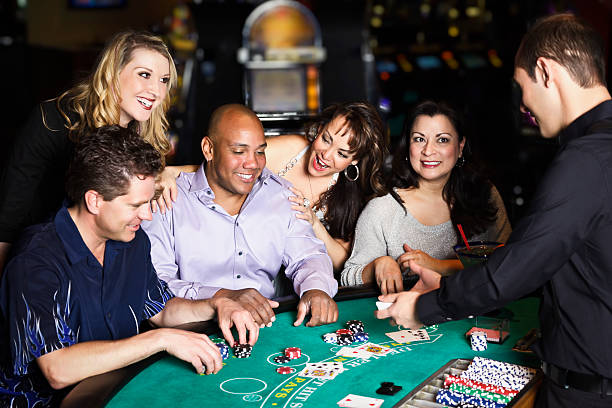
Furthermore, the social aspects of gambling enhance its appeal. Casinos and online gaming platforms often design environments that encourage communal experiences, where players can interact and share in the thrill of the game. This social reinforcement can amplify an individual’s desire to gamble, as they become part of a community where risks are normalized and celebrated, further entrenching the psychological motivations behind their gambling behavior.
Emotional Factors Influencing Gambling
Emotions play a pivotal role in gambling behavior, often driving individuals to make impulsive decisions. For many, gambling serves as an escape from reality, providing a temporary relief from stress, anxiety, or depression. This emotional release can be powerful, leading players to chase after losses or seek solace in the thrill of the game. When faced with difficult emotions, people might turn to gambling as a coping mechanism, which can spiral into compulsive behavior over time.
The idea of “chasing losses” is another common emotional trigger for gamblers. When players experience a significant loss, they may feel compelled to recover their lost funds through further gambling, often leading to larger financial setbacks. This cycle can create a dangerous mindset where the gambler believes that one more bet will turn their fortune around. The emotional high associated with a potential win can blind them to the risks involved, perpetuating a cycle of risk-taking behavior.
Moreover, the excitement of gambling can create a sense of euphoria that makes everyday life seem dull in comparison. This emotional high can become addictive, leading individuals to prioritize gambling over more constructive pursuits or responsibilities. As they seek to recreate that initial thrill, they may neglect their personal relationships and well-being, illustrating how deeply embedded psychological factors influence gambling habits.
The Impact of Environment on Gambling Choices
The environment in which gambling takes place significantly influences individual behavior. The design of a casino, for example, is meticulously crafted to create an immersive experience that encourages extended play. Bright lights, vibrant colors, and the sounds of winning all contribute to an atmosphere that heightens excitement and minimizes distractions. These elements combine to create a space where time seems to stand still, making it easy for players to lose track of their spending and the hours spent gambling.
In online gambling, the environment shifts but the psychological impact remains. Websites are designed to be user-friendly and engaging, offering seamless navigation through a variety of games. Promotions and bonuses, such as generous welcome packages, can further entice players to engage in prolonged gaming sessions. The convenience of online platforms allows individuals to gamble from the comfort of their homes, potentially increasing impulsive betting behaviors as they are removed from the physical constraints of a traditional casino.
Additionally, peer influence can shape gambling behavior significantly. Individuals may feel pressured to conform to the gambling habits of their friends or family members, leading to increased participation in gambling activities. Social media has also amplified this phenomenon, as people share their gambling victories and experiences online. This creates a culture where gambling is normalized and celebrated, further embedding it into the social fabric and influencing new gamblers to engage in similar behaviors.
Understanding the Science of Addiction
The psychology of gambling addiction is a complex interplay of biological, psychological, and social factors. Studies have shown that individuals predisposed to addiction may have differences in brain chemistry that make them more susceptible to the highs and lows of gambling. This biological foundation can lead to compulsive gambling behaviors, where individuals prioritize gambling over other life responsibilities and relationships. Understanding these underlying factors is crucial for developing effective treatment approaches.
Psychologically, the concept of irrational thinking plays a significant role in gambling addiction. Many gamblers adopt cognitive biases that distort their understanding of probabilities and outcomes. For instance, they might overestimate their chances of winning or underestimate the risks involved, leading to repeated gambling despite negative consequences. This irrationality can perpetuate addictive behaviors, as the gambler clings to false beliefs about their luck or skill.
Social factors also contribute to the cycle of addiction. Supportive networks can help individuals resist gambling temptations, while negative influences may reinforce harmful habits. Treatment programs often address these dynamics, emphasizing the importance of building a supportive environment while also focusing on personal accountability and understanding the psychological triggers that lead to compulsive gambling. Recognizing these factors can empower individuals to make more informed choices about their gambling behavior.
Exploring Responsible Gambling Practices
As the understanding of gambling behavior evolves, the importance of promoting responsible gambling practices becomes increasingly critical. Awareness campaigns seek to educate individuals about the potential risks associated with gambling and encourage them to set limits on their spending and time spent gambling. This proactive approach can help mitigate the harmful effects of gambling addiction and promote a healthier relationship with betting activities.
Many casinos and online gaming platforms are adopting responsible gambling features, such as self-exclusion options and deposit limits. These tools empower players to take control of their gambling habits and recognize when they may need a break. By implementing these features, operators not only prioritize player welfare but also contribute to a safer gambling environment where individuals can enjoy gaming responsibly.
Moreover, education plays a vital role in promoting responsible gambling. Informational resources about the psychology behind gambling can equip players with the knowledge needed to recognize their own behavior patterns. By fostering an understanding of how emotions, environment, and cognitive biases can influence gambling, individuals are better prepared to engage in gaming activities thoughtfully and consciously.
Betinia: Your Partner in Responsible Gaming
At Betinia, we recognize the complexities of gambling behavior and are committed to fostering a safe and enjoyable gaming environment. Our platform is designed to offer an exciting online casino experience while prioritizing responsible gambling practices. With a generous welcome bonus, diverse game selection, and user-friendly navigation, we aim to enhance your gaming journey while encouraging mindful play.
We understand the importance of balancing entertainment with safety. That’s why Betinia offers various tools to help players manage their gambling habits, including setting limits and taking breaks. Our dedication to responsible gaming means that you can explore our vibrant gaming atmosphere without compromising your well-being.